Horticultural Articles
Filter articles by your cultivation experience level
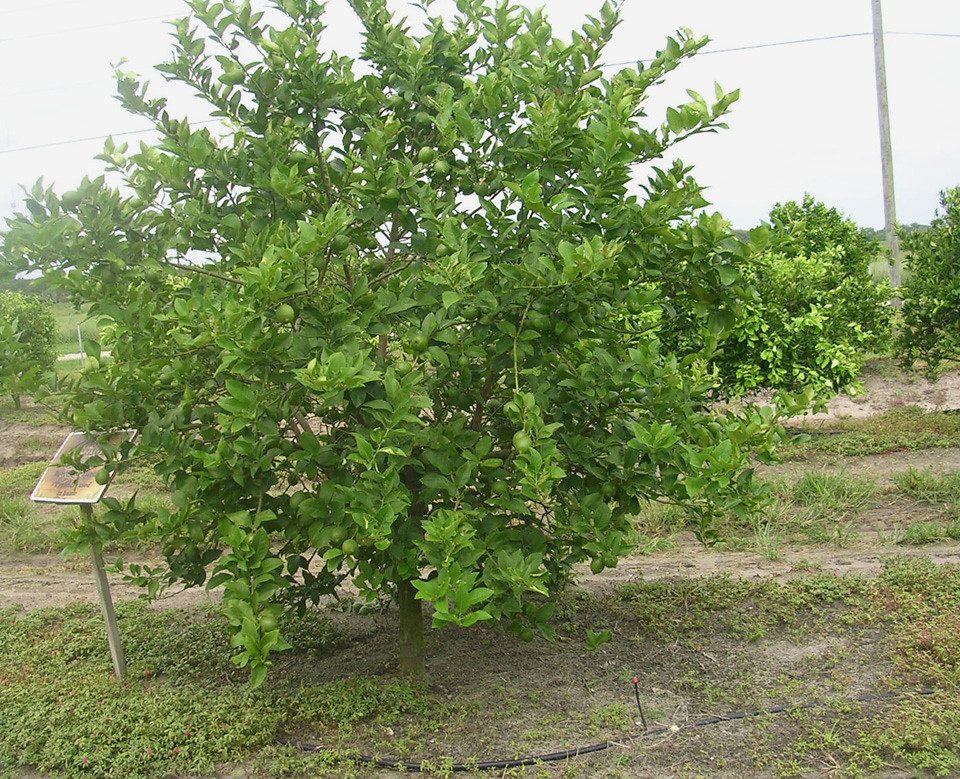
The First 90 Days: How to Unbox, Acclimatize & Pot a Grafted Fruit Sapling Without Transplant Shock
Step-by-step nursery protocol for the critical first 90 days—covering 72-hour shade recovery, root-ball hydration, graft-collar height, and why you must avoid chemical NPK on new saplings.
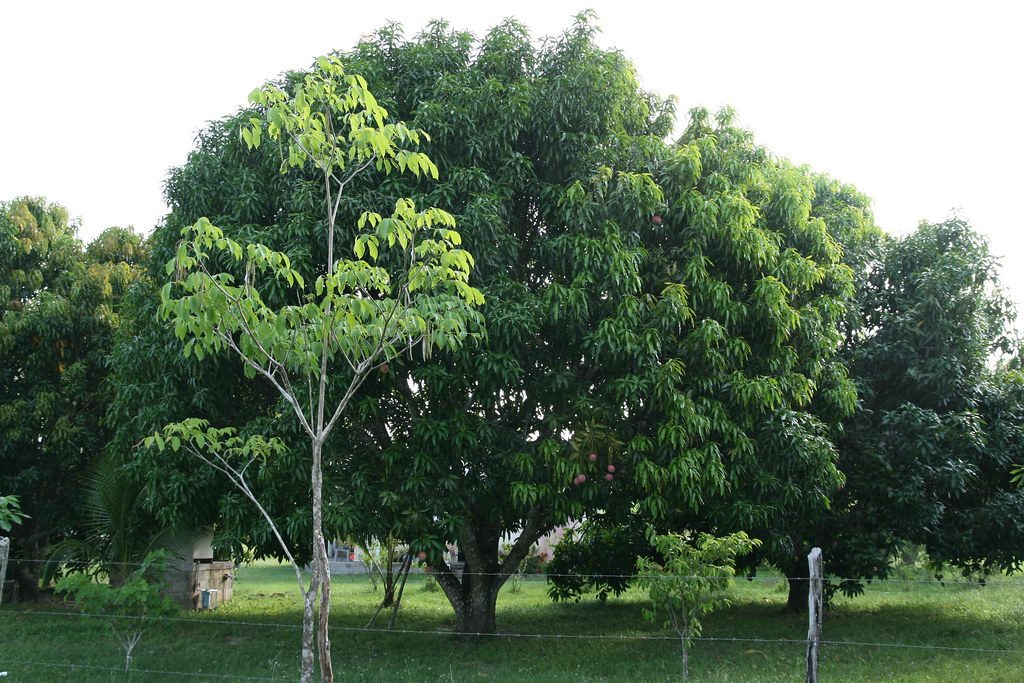
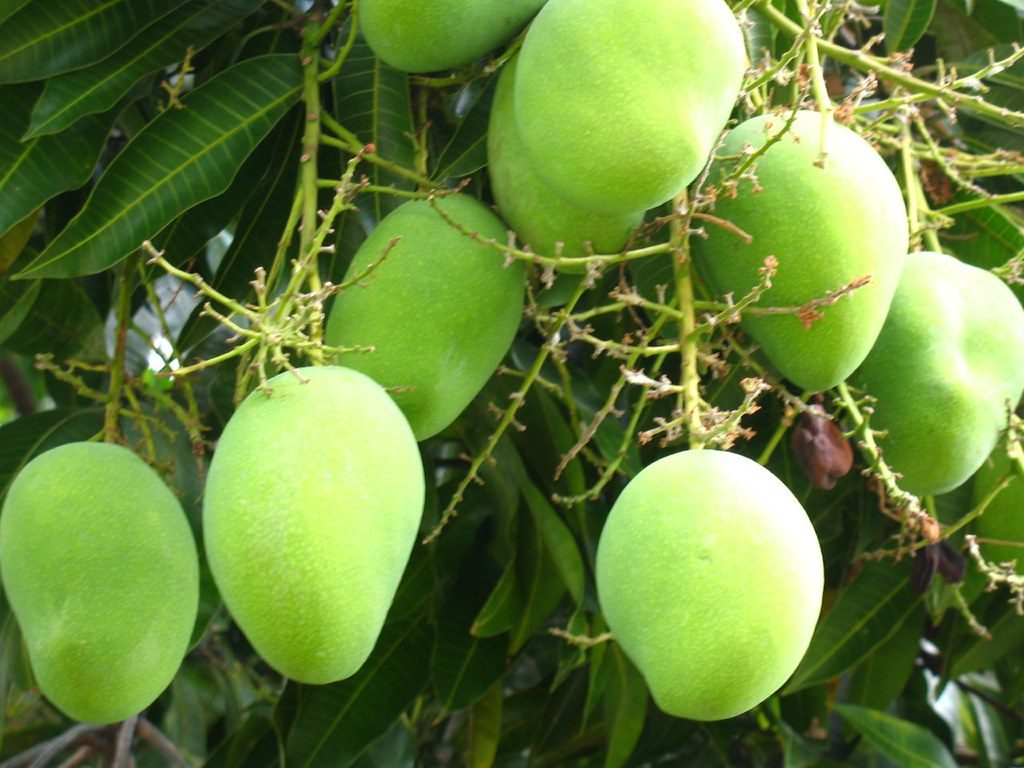
3-Tier Formative Pruning: How to Shape Grafted Mango Trees for Bushy Canopies & Early Harvests
Learn the open-center "tipping" technique used in high-density orchards to turn a single-stem mango sapling into a compact, 36-shoot fruiting canopy within 24 months.
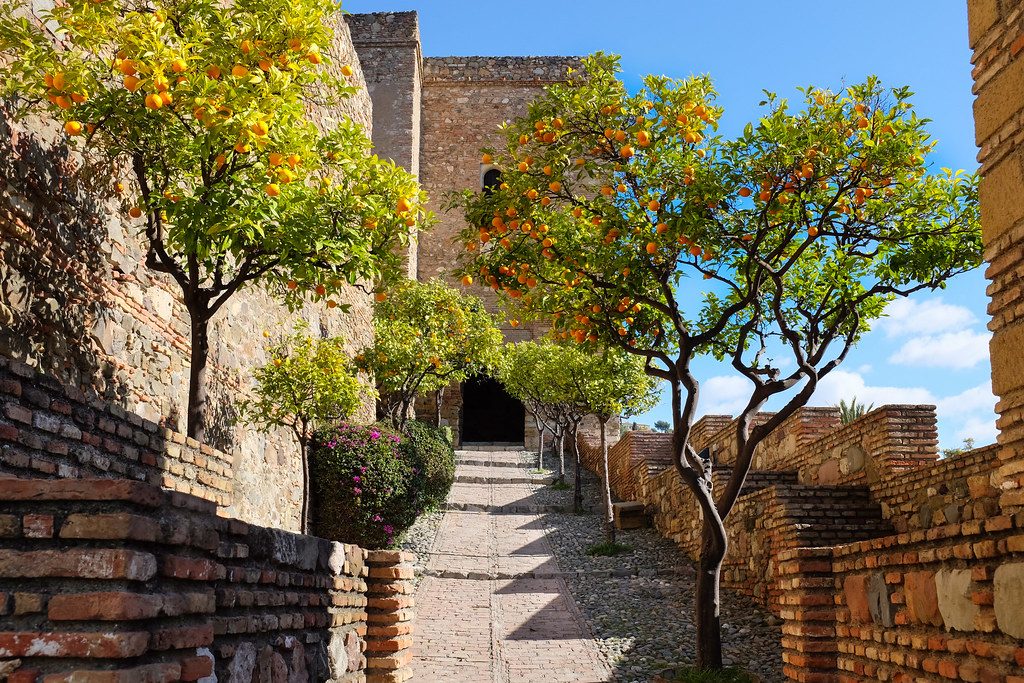
Solving Yellow Leaves in Citrus: Complete Diagnostic Guide to Zinc, Iron, Magnesium & Boron
Tell apart Zinc "mottle leaf", Iron interveinal chlorosis on young leaves, Magnesium inverted-V yellowing on old leaves, and Boron corky fruit—with exact foliar spray dosages.
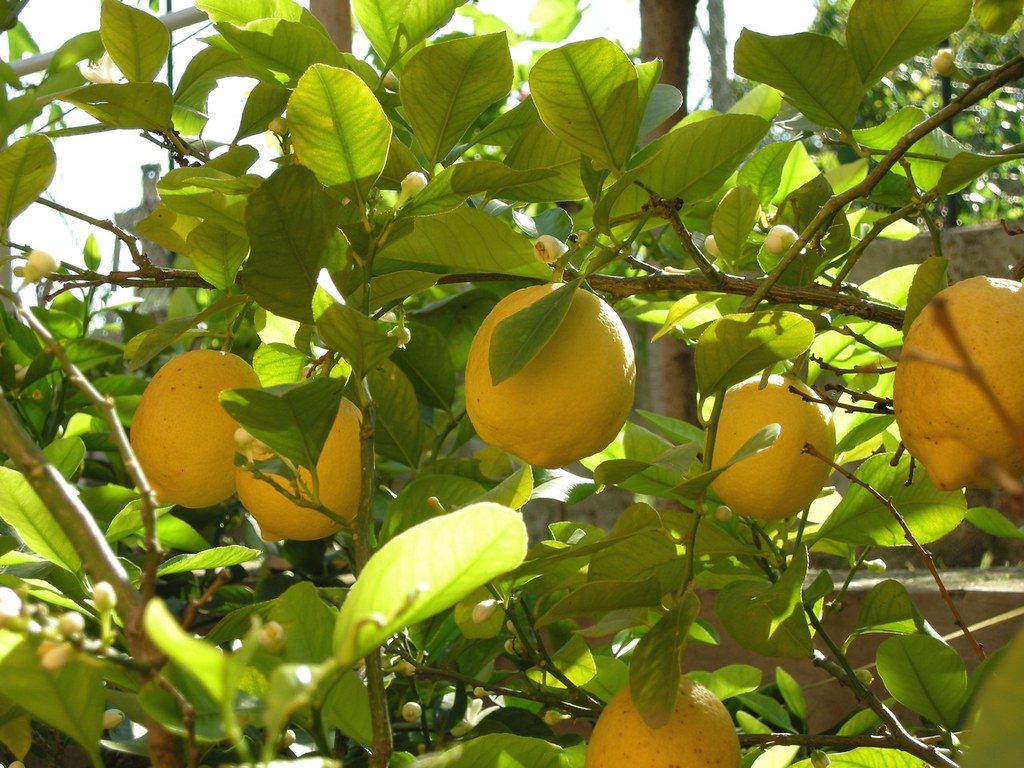
Terrace Citrus Mastery: How to Get 150+ Lemons a Year from Potted Kolkata Pati, Eureka & Baramasi Plants
Turn asunny balcony or terrace into a year-round lemon harvest using 16-inch containers, fermented mustard-cake nutrition, and post-harvest tip pruning.
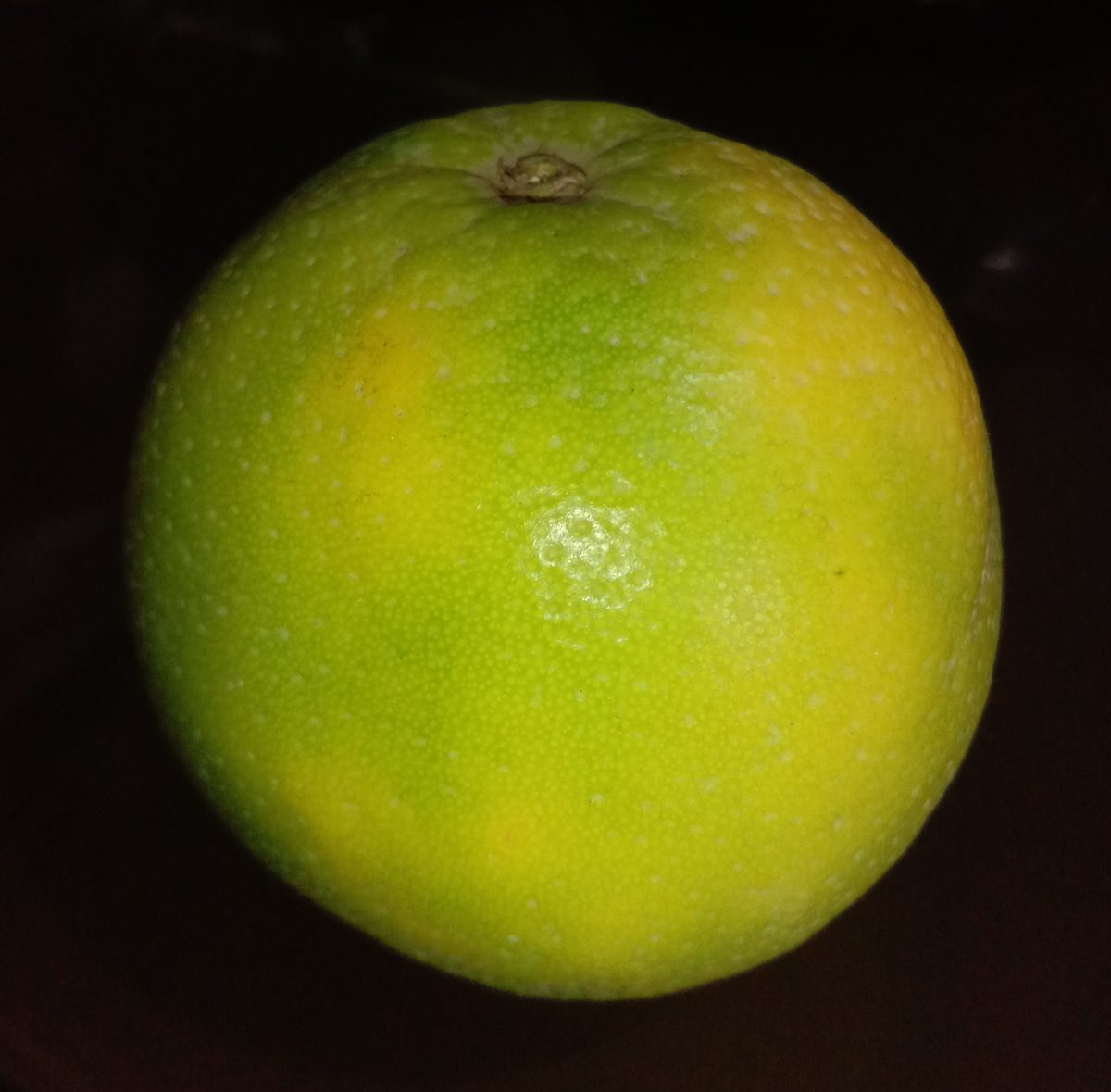
Mastering Ambe, Mrig & Hasta Bahar: How Professional Orchards Trigger Heavy Citrus Flowering on Command
Understand the physiological moisture-stress mechanism behind Ambe (Jan–Feb), Mrig (June–July), and Hasta (Sept–Oct) Bahar to synchronize blossom and harvest windows.

The Sweetness Protocol: Using Potassium, Calcium & Boron to Maximize Fruit Brix, Pulp Color & Rind Finish
Why fruit splitting, sour juice, and thick spongy rinds happen—and the exact foliar schedule of SOP (00:00:50), Calcium Nitrate, and Boron to achieve 14°–22° Brix harvests.
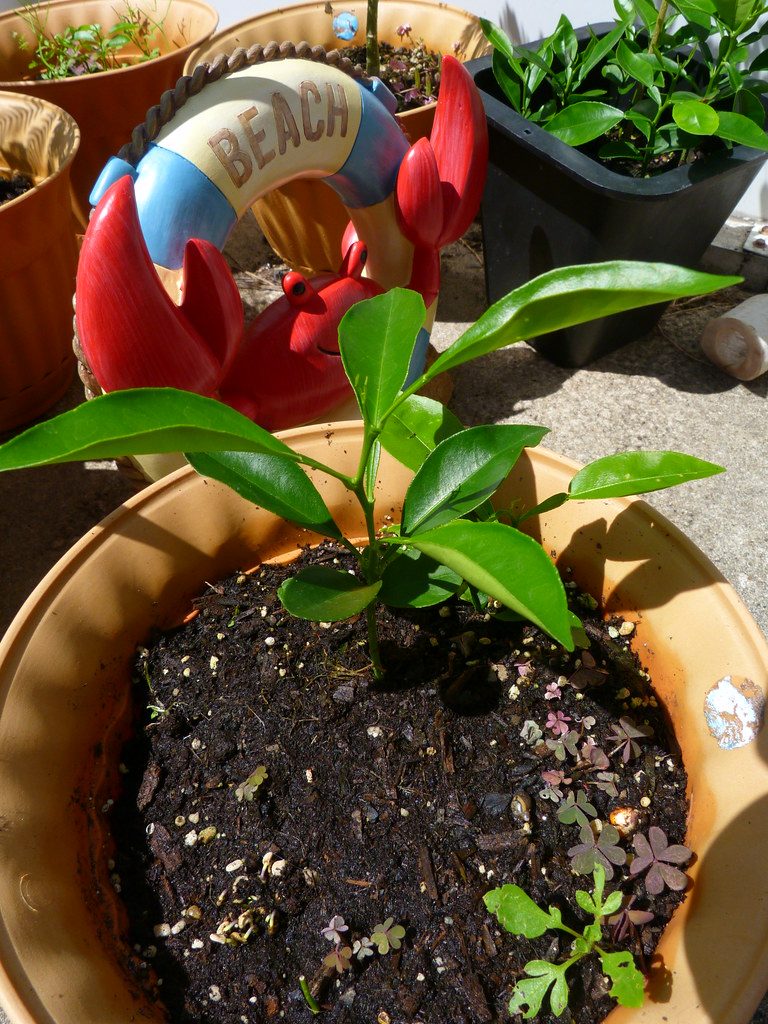
Rootstock Science: Choosing Between Carrizo, Rangpur Lime, Swingle, C-35 & X-639 for Your Soil & Climate
The invisible half of every fruit tree: how certified rootstocks control tree size, drought tolerance, salinity resistance, Phytophthora immunity, and juice sweetness.
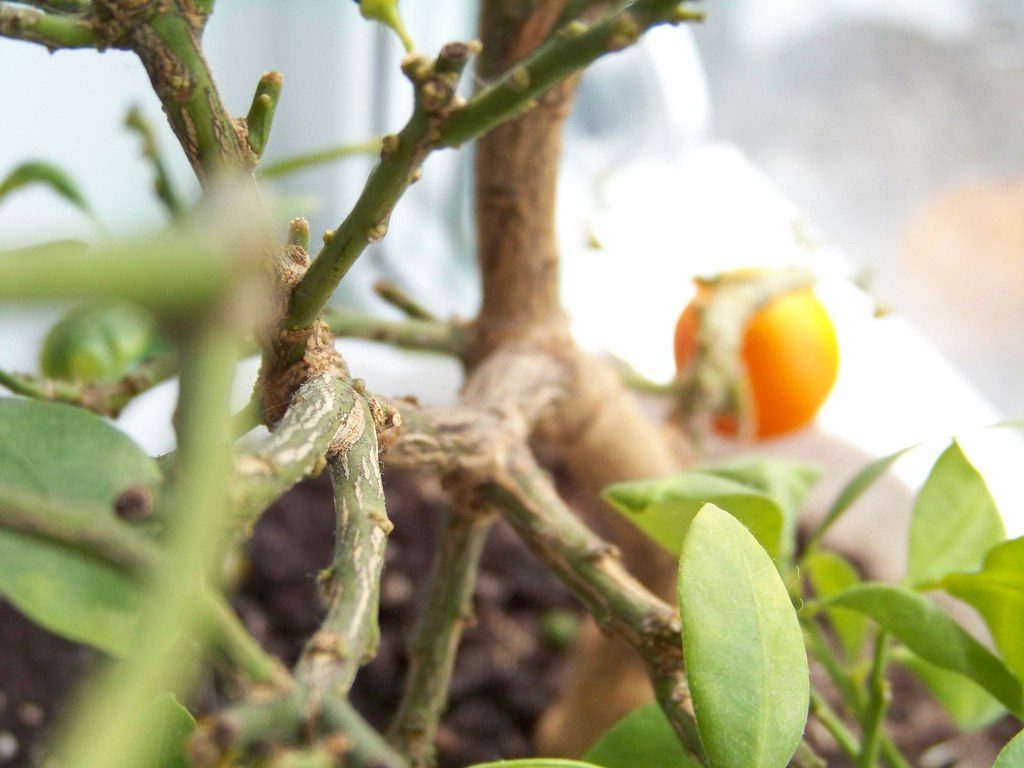
Organic & IPM Plant Protection: Stopping Citrus Leaf Miner, Mango Hopper, Thrips & Gummosis Safely
A flush-timed protection calendar using cold-pressed Azadirachtin neem oil, Bordeaux trunk paste, Trichoderma bio-drenches, and pollinator-safe timing.
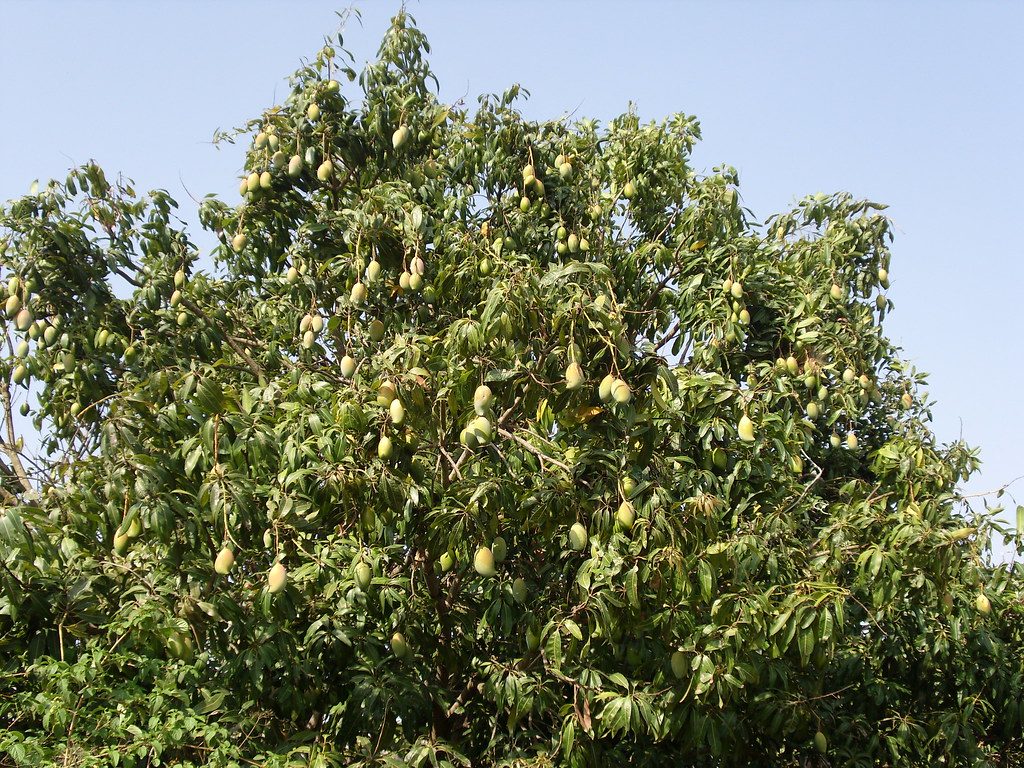
Why Flowers & Marble-Sized Fruits Drop—and How to Lock In a Heavy Harvest
Distinguish natural self-thinning from moisture-shock, Boron deficiency, and powdery mildew drop—plus the exact pea-stage retention protocol.
Seasonal Grower’s Field Notes
Pinpoint calendar reminders for Indian home gardens and orchards
Pea-Stage Moisture & Pollinator Protection
Mango and citrus trees are in bloom or pea-stage fruit set. Begin light, consistent watering, avoid all chemical insecticide sprays during bee activity, and apply foliar Boron (1 g/L) + 00:52:34 (5 g/L).
Mulching & Sunscald Shield for Young Saplings
Apply a 3-inch dry leaf or coco-chip mulch around pots and ground pits (keeping 5 cm clear of the stem). Whitewash exposed lower trunks with lime/Bordeaux paste and bag developing mango fruits.
Drainage Check, Canker Pruning & Trichoderma Drench
Remove pot saucers so rainwater drains freely. Prune post-harvest mango shoots, clear water-shoots below graft unions, and drench root zones with Trichoderma viride (10 g/L) to prevent collar rot.
Post-Monsoon Ring Feeding & Micronutrient Flush
The October flush is next year’s fruiting wood. Apply your main annual dose of vermicompost, neem cake, bone meal, and sulphate of potash, and foliar-spray Zinc + Iron + Magnesium on new leaves.
Floral Induction Rest & Frost Protection
Reduce watering in established mango and Ambe-Bahar citrus trees to induce floral bud differentiation. Protect newly planted saplings under 1 year old from cold night winds below 8°C.
The 10-cm Graft Union Golden Rule
Inspect the lower stem every 15 days. Any thorny or fast-growing shoot emerging below the graft scar is a wild rootstock sucker—rub it off flush with the bark immediately.