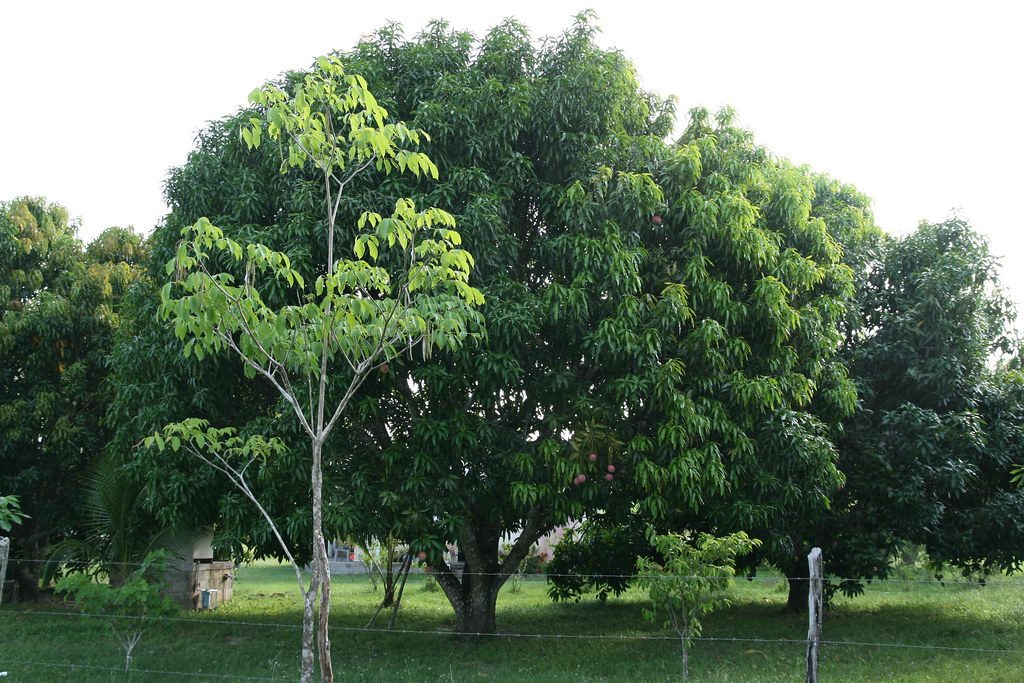
3-Tier Formative Pruning: How to Shape Grafted Mango Trees for Bushy Canopies & Early Harvests
- Head back the main leader at 60–75 cm height to force 3–4 wide-angled primary scaffold branches.
- Pinch secondary shoots after every second vegetative flush (12–14 leaves) to multiply fruiting terminals.
- De-blossom (remove flower panicles) in Year 1 so carbohydrates build trunk caliper and root mass.
- Prune immediately after harvest in June–July so October flushes mature in time for winter floral induction.
Why Unpruned Mango Saplings Grow Tall and Sparse
Mango (Mangifera indica) exhibits strong apical dominance—left unpruned, a sapling shoots straight up like a pole with very few lateral fruiting tips. Because mangoes bear panicles at the ends of mature terminal shoots, multiplying terminal tips directly multiplies your harvest.
Step 1: Primary Heading at 60–75 cm
Once your established sapling reaches 60–75 cm height and the stem hardens, make a clean 45° cut just above a whorl of buds using alcohol-sterilized secateurs. Within 3 weeks, 3 to 4 vigorous primary branches will emerge. Select 3–4 well-spaced branches radiating in different directions.
Step 2: Secondary & Tertiary Tipping (The 1:3:9:27 Rule)
Allow each primary branch to grow two full flushes (roughly 40–45 cm), then pinch the terminal bud to force 3 secondary shoots per branch. Repeating this once more creates 27–36 sunlit fruiting terminals on a compact 5–6 ft tree—ideal for both terrace drums and high-density orchards.
Step 3: Why You Should Pinch Off Year-1 Flowers
Precocious varieties like Arunika, Ambika, and Miyazaki often flower within months of planting. Always pinch off these early panicles at pea-stage during Year 1 so the sapling invests 100% of its energy into structural wood.
More Horticultural Guides
 Beginner
The First 90 Days: How to Unbox, Acclimatize & Pot a Grafted Fruit Sapling Without Transplant Shock
 Advanced
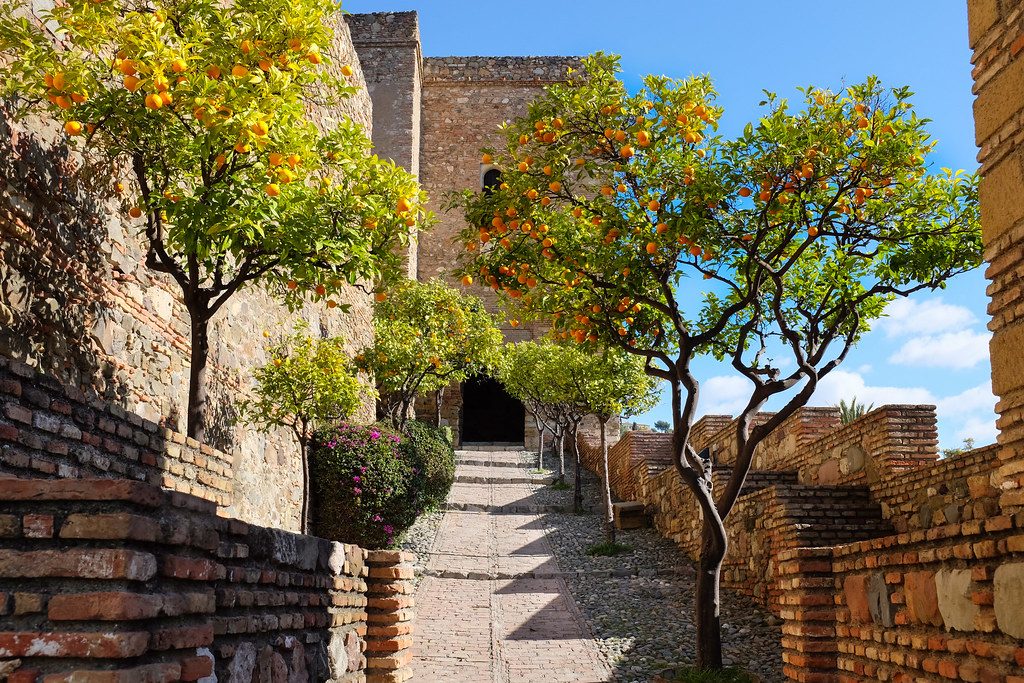
Solving Yellow Leaves in Citrus: Complete Diagnostic Guide to Zinc, Iron, Magnesium & Boron
 Beginner