
The Sweetness Protocol: Using Potassium, Calcium & Boron to Maximize Fruit Brix, Pulp Color & Rind Finish
- Potassium (K) is the sugar-transporter nutrient: foliar 00:00:50 at 5 g/L during fruit swell boosts TSS (Brix) by 1.5°–2.5°.
- Calcium + Boron sprays at pea and marble stages strengthen pectin cell walls, eliminating monsoon fruit cracking.
- Stop high-nitrogen fertilizers 60 days before harvest to prevent thick rinds, spongy tissue, and poor shelf life.
- Always use Sulphate of Potash (K2SO4), never Muriate of Potash (KCl), on mango and citrus.
Why Some Home-Grown Fruits Taste Bland or Split Open
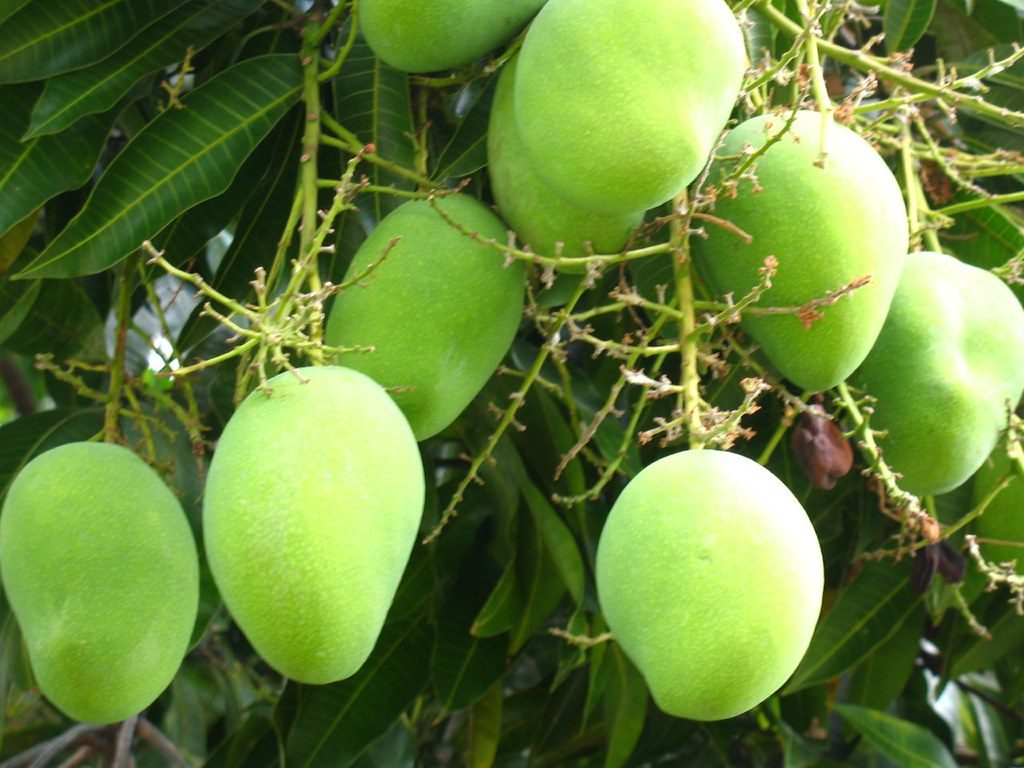
Home growers often apply plenty of nitrogen (compost/urea) which builds lush green leaves, but starves developing fruits of Potassium, Calcium, and Boron. The result is thick rinds, fruit cracking after rain, and low sugar accumulation.
Stage 1: Pea to Marble Stage (Cell Division & Skin Elasticity)
During the first 4 weeks after fruit set, cells are dividing rapidly. Spray Calcium Nitrate (3 g/L) + Solubor Boron 20% (1 g/L). Calcium cross-links cell wall pectins so the skin stretches smoothly without splitting during sudden summer showers.
Stage 2: Egg Stage to 30 Days Pre-Harvest (Sugar Translocation)
Apply two foliar sprays of Sulphate of Potash (00:00:50 at 5 g/L) spaced 21 days apart. Potassium activates phloem loading, pumping sucrose from the leaves into the fruit pulp while thinning the citrus peel and intensifying carotenoid/lycopene color in mangoes and red grapefruits.
More Horticultural Guides
 Beginner
The First 90 Days: How to Unbox, Acclimatize & Pot a Grafted Fruit Sapling Without Transplant Shock
 Advanced
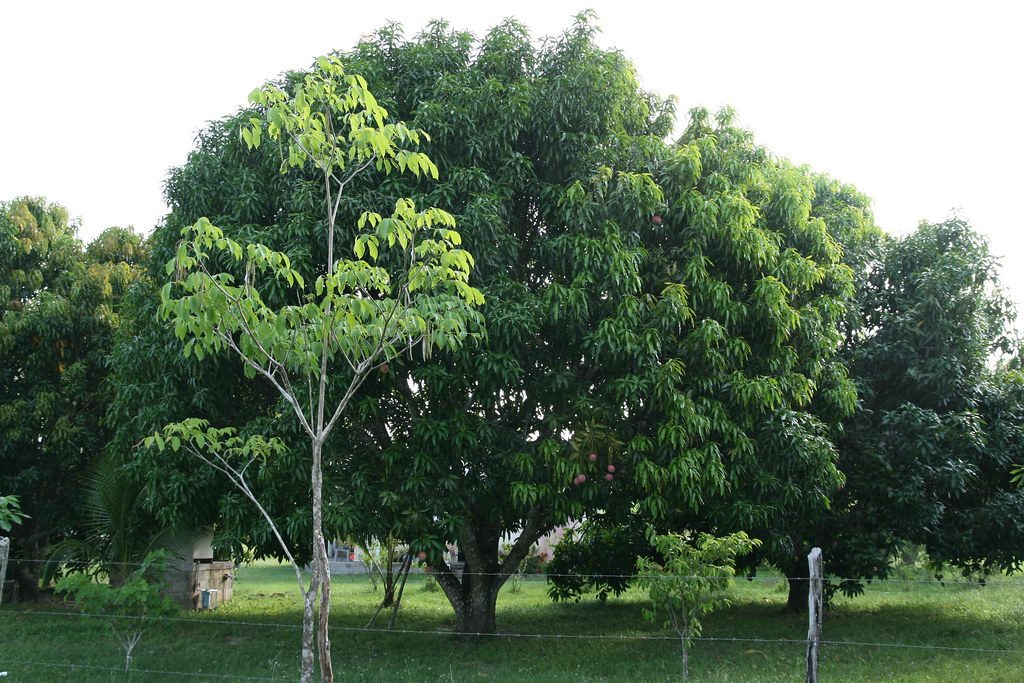
3-Tier Formative Pruning: How to Shape Grafted Mango Trees for Bushy Canopies & Early Harvests
 Advanced